Cold chain
NAPSO warns strengthening El Niño could raise refrigeration and storage costs for North American potato operators
NAPSO has published a bulletin assessing how the strengthening 2026–27 El Niño may increase refrigeration, ventilation, and electricity demands for North American potato storage. The organization advises operators to make lot-by-lot decisions based on facility data rather than relying solely on seasonal forecasts.
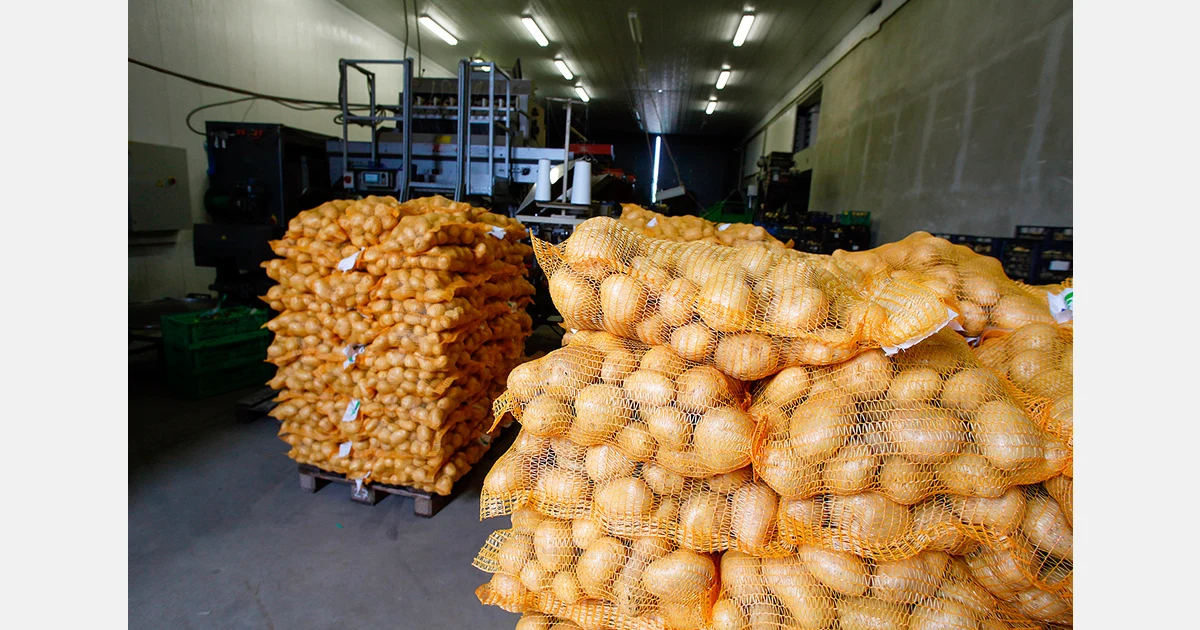
The North America Potato Storage Organization (NAPSO) has issued a bulletin warning that the strengthening 2026–27 El Niño event could push up refrigeration, ventilation, and electricity requirements for potato storage operators across the continent.
El Niño outlook
On October 8, NOAA's Climate Prediction Center reported that the Niño 3.4 index had reached +2.1 °C, with an 83 per cent probability of the event reaching historically exceptional strength during October to December, up from 75 per cent in September. The World Meteorological Organization expects El Niño to peak in December and potentially persist through February 2027.
What this means for storage operations
Warmer seasonal temperatures could reduce opportunities for ambient-air cooling, increasing reliance on mechanical refrigeration and ventilation systems. Regional precipitation patterns remain uncertain.
NAPSO advises operators to base storage decisions on individual potato lots, local weather conditions, and facility data rather than seasonal forecasts alone. Monitoring priorities include pulp temperature, hydration, bruising, disease incidence, humidity, shrinkage, dormancy progression, and refrigeration demand.
Costs beyond electricity
The bulletin notes that storage costs extend beyond electricity consumption, with bruising, disease, shrinkage, quality downgrades, sprout control, and reduced storage life all affecting marketable volumes and returns. The publication precedes NAPSO's November 19 webinar on storage economics.
ORIGINAL SOURCE
FreshPlaza: Cooling ↗Visit the original source for additional details.