Cold chain
India's cold-chain sector grows 10–11% a year as fresh-produce export logistics expand
India's cold-chain market is projected to reach approximately INR 2.8 billion (US$31.5 million) on 10–11% annual growth, driven by rising exports of fresh produce, floriculture, and marine products. Air India Cargo moved more than 42,000 tons of perishables in FY26 across 14 airports, while ocean-freight corridors and Dedicated Freight Corridors are reducing transit delays at gateway ports.
India's cold-chain logistics sector is expanding at an estimated 10 to 11 per cent per year, with the market projected to reach approximately INR 2.8 billion (US$31.5 million) as exports of fresh produce, floriculture, and marine products continue to grow.
Air-freight cold chain
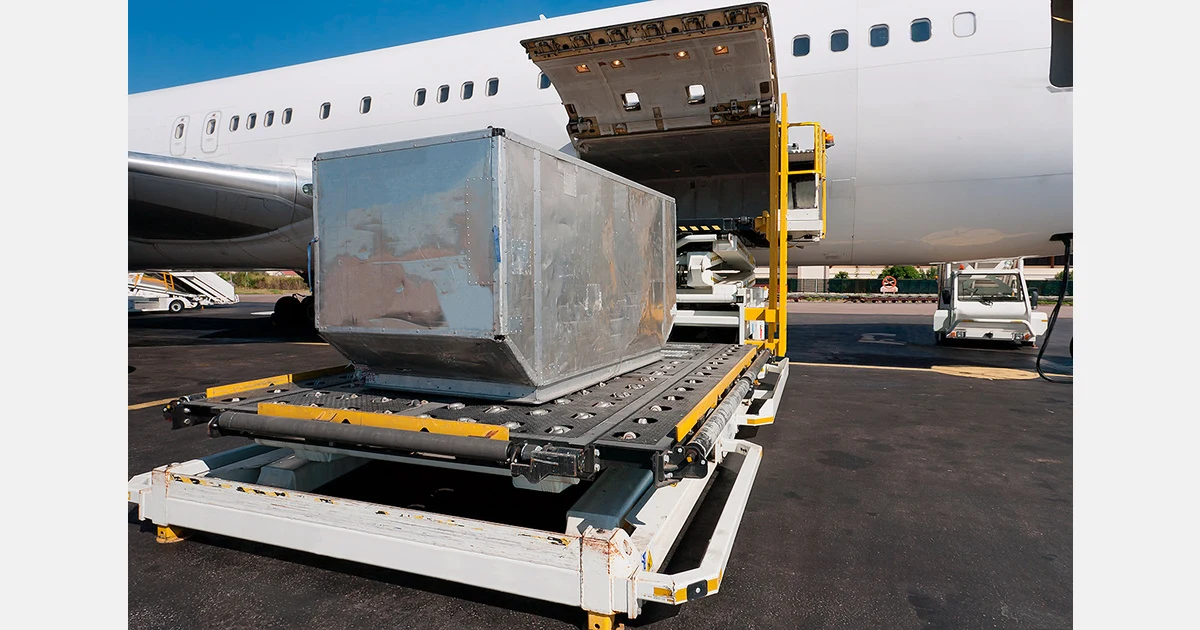
For fresh fruit, vegetables, and flowers shipped by air, temperature management spans farm-gate pre-cooling, refrigerated road transport, airport handling, storage, aircraft loading, and onward transport. Delays during cargo acceptance, security screening, pallet build-up, and tarmac transfers can expose perishables to higher temperatures, particularly during peak export periods. Air-cargo infrastructure now includes temperature-controlled airport facilities, cool dollies, thermal blankets, and refrigerated road connections. Air India Cargo transported more than 42,000 tons of perishable cargo in FY26, including mangoes, fruit, vegetables, and cut flowers; its cold-chain network covers 14 airports, and road feeder services connect 231 domestic destinations.
Ocean freight and inland logistics
Ocean freight handles commodities such as table grapes, onions, and bananas. Inland movements link growing regions with ports including JNPT, Mundra, and Pipavav using refrigerated road and rail transport. Reefer containers can use generator sets during rail movements, while pre-cooling, cross-docking, and reserved reefer plug-in points help maintain temperatures during transit.
Digital monitoring and customs efficiency
Smart reefers, digital data loggers, and monitoring systems are increasingly deployed to record temperature, humidity, and atmospheric conditions. These systems issue alerts when temperatures move outside specified thresholds and generate records for buyers and regulators. Digital customs documentation and pre-arrival clearances are also being used to reduce delays at ports. Dedicated Freight Corridors allow refrigerated cargo to move from inland depots to gateway ports while reducing reliance on congested highways.
Port specialization by destination
Western ports primarily handle fresh fruit, onions, and vegetables bound for the GCC, Europe, and the UK. Southern ports handle fresh vegetables and processed foods for Southeast Asia, Japan, and North America, while eastern gateways handle seasonal fruit and leafy vegetables for Southeast Asian markets.
ORIGINAL SOURCE
FreshPlaza: Cooling ↗Visit the original source for additional details.