Cold chain
Diesel dependency drives up fruit cold-storage costs in Pakistan's Balochistan
Unreliable grid power in Balochistan forces fruit cold-storage operators to burn diesel at night, with one apple grower spending around US$325 per night. Government solarisation programmes and provincial climate plans aim to close the gap, but limited battery capacity and high storage costs keep solar-powered refrigeration from fully replacing diesel.
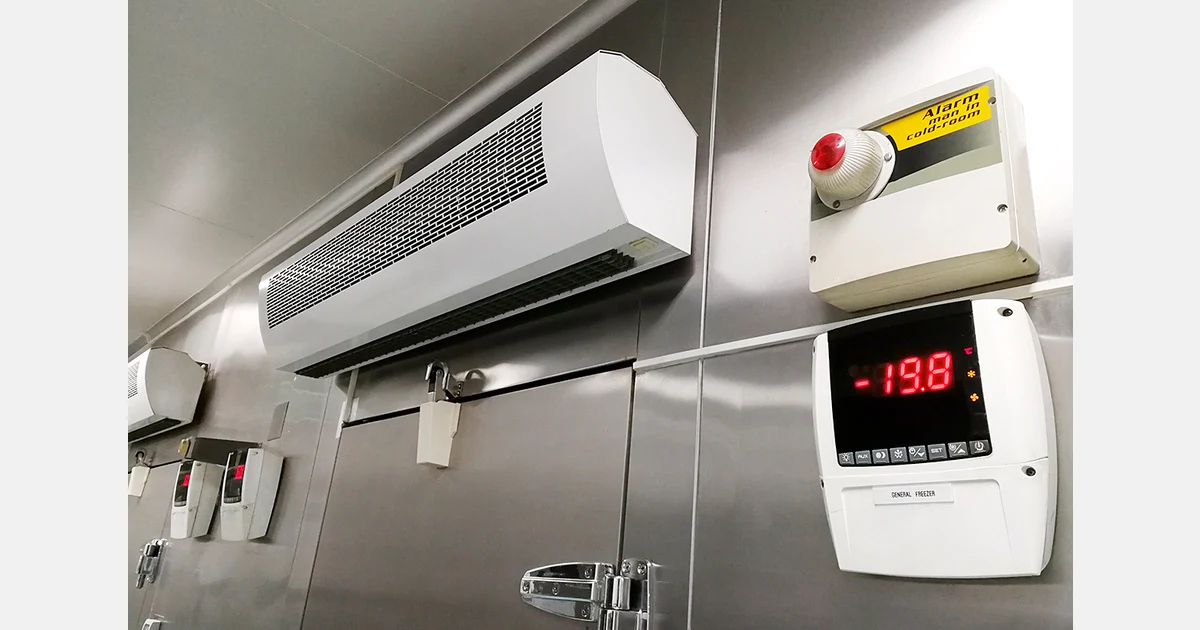
In Pakistan's Balochistan province, unreliable electricity supplies are pushing up the cost of keeping fruit cold, forcing growers and traders to rely on expensive diesel generators even after investing in solar power.
In Killa Abdullah district, apple grower Mohammad Iqbal spends approximately Rs90,000 (US$325) per night running diesel generators to maintain refrigeration at his cold-storage facility. The facility holds 75,000 crates of apples, which can be stored for up to five months while awaiting better market prices. Despite an investment of Rs24 million (US$86,639) in solar panels and batteries, the facility still depends on diesel at night.
The scale of the challenge is significant. Balochistan harvested approximately 2.34 million tons of fruit in the 2023-24 season, including 798,143 tons of apples, 193,176 tons of grapes, 175,130 tons of apricots, and 660,443 tons of dates. According to the Food and Agriculture Organization, inadequate post-harvest infrastructure can contribute to fruit and vegetable losses of 20 to 40% in Pakistan.
The government has committed approximately Rs55 billion (US$198.5 million) to solarising more than 27,000 agricultural tube wells, and provincial climate plans identify solar-powered cold storage as an option to reduce post-harvest losses. However, limited battery capacity and high storage costs continue to constrain solar-powered refrigeration. Groundwater depletion and disrupted border trade add further pressure on the region's fruit sector.
ORIGINAL SOURCE
FreshPlaza: Cooling ↗Visit the original source for additional details.