Industrial refrigeration
Netherlands fruit storage operators face heat-stress challenges this season
Hot, dry weather in the Netherlands has pushed fruit cold storage systems to their limits, with a 10 °C temperature rise adding roughly 50 % to heat load. Frank van de Geijn of Fruit Storage & Advice warns that operators must now count in hours, not days, and that crop quality and shelf life are at risk.
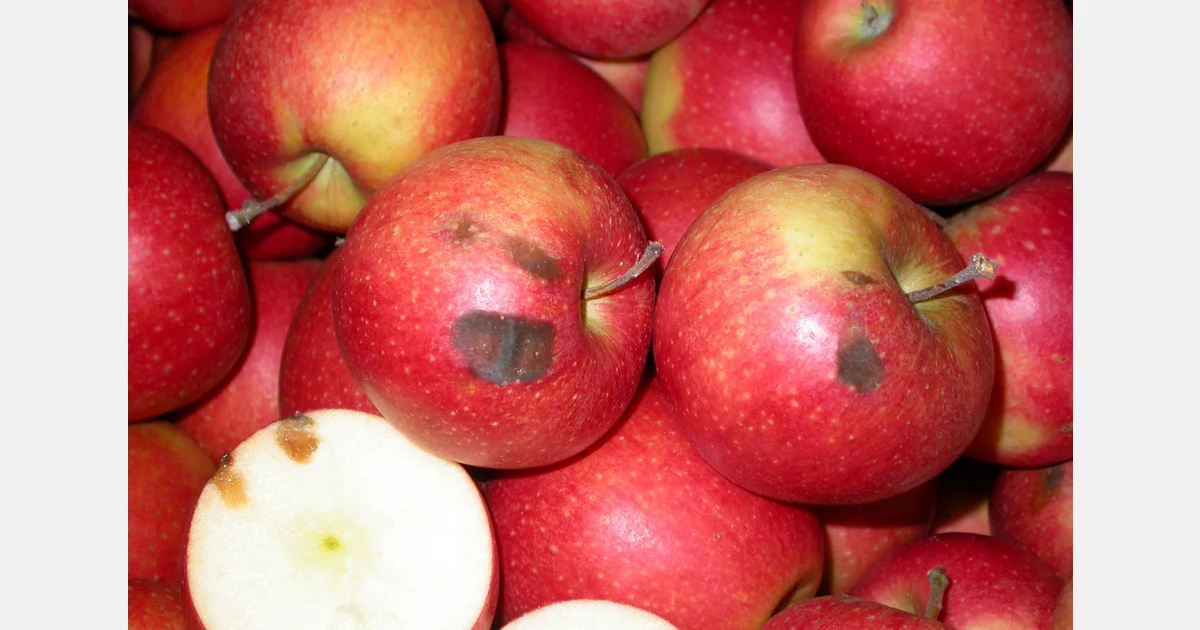
Hot, dry conditions across the Netherlands this season have placed fruit cold storage systems under significant strain, forcing operators to compress timelines and tighten every step of the post-harvest process.
Heat load and energy consumption
When outside temperatures are high, removing heat from the product demands substantially more energy, particularly during the initial cooling phase. Frank van de Geijn of Fruit Storage & Advice notes that a ten-degree rise in ambient temperature translates to roughly 50 % more heat load. The result is higher electricity consumption, compromised product quality, and a longer time to reach the target storage temperature.
Orchard effects and harvest urgency
The heat is not confined to the storage facility. In dry conditions, trees struggle to regulate their own temperature, and fruit effectively stops growing and is no longer kept cool in the tree. Van de Geijn stresses that during harvest season operators must count in hours rather than days before the product reaches refrigeration.
Cooling rate: fast but not too fast
Once fruit is in cold storage, rapid cooling is essential, yet the rate must be matched to the variety. Honeycrisp apples, for example, require a gradual temperature drop. With Elstar, a too-rapid transition from a high harvest temperature to a very low storage temperature can cause soft scald; the risk can be mitigated by initially holding the product at a higher temperature before bringing it down.
System maintenance and door discipline
The extreme heat has also tested the cooling systems themselves, making effective heat dissipation critical. Condensers must be free of dust and lint, which reduce heat transfer; van de Geijn calls checking their cleanliness a must under these conditions. Equally, simple operational habits matter: storage doors should not be left open longer than necessary, and air exchange between the inside and outside should be kept to a minimum.
Quality outlook and practical guidance
Van de Geijn is cautious about the upcoming crop. Heat, drought, precipitation, and harvest timing all interact, making definitive predictions difficult. He is not happy with the season so far and expects the product's shelf life to be compromised, while cautioning against drawing firm conclusions. For storage facilities, the practical takeaway is flexible planning: adjust in time when a batch turns out to be of lower quality. He concludes that perhaps the most important storage tool is common sense – knowing when to sell a product early if it is not turning out quite right.
For more information:
Fruit Storage & Advice Frank van de Geijn Keizerstraat 8A 4064 ED Varik Tel: +31 6 10 93 51 58 [email protected] www.fruitbewaring.nl
ORIGINAL SOURCE
FreshPlaza: Cooling ↗Visit the original source for additional details.