Cold chain
Kazakhstan builds out cold-chain infrastructure with new transport standards and a Japanese logistics partnership
Kazakhstan has expanded vegetable storage capacity to 2.55 million tonnes across 942 facilities and adopted new standards for transporting temperature-sensitive goods in May 2026. A joint working group with Yamato and Geopost is being proposed to further develop the cold chain, while cold-chain trade grew 93% year on year in the first seven months of 2026.
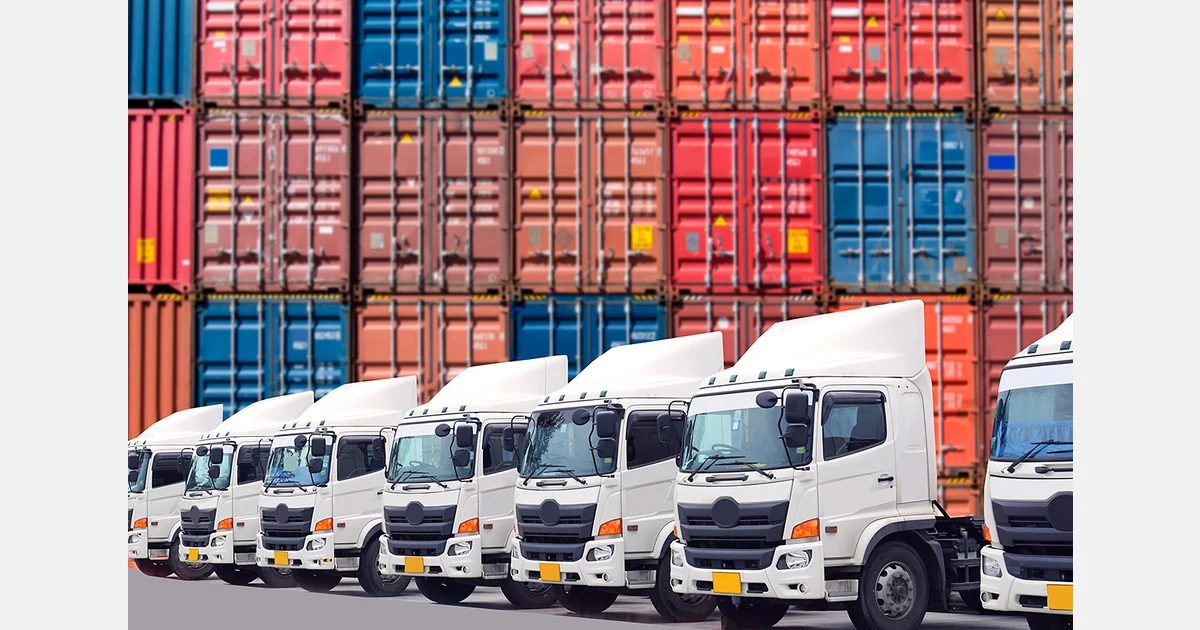
Kazakhstan is closing a significant gap in its cold-chain infrastructure for fresh produce, combining new national transport standards, a partnership with Japanese logistics firm Yamato Group, and government-backed investment in refrigerated storage and vehicles.
From 36% to full coverage – and beyond
In early 2024 the country had roughly 600,000 tonnes of vegetable and potato storage capacity against an estimated off-season need of 1.65 million tonnes, covering only 36% of the requirement. Deputy Minister of Trade and Integration Aidar Abildabekov linked this shortfall to seasonal price fluctuations. After the introduction of subsidies and preferential loans for storage projects, Kazakhstan now operates 942 vegetable storage facilities with a combined capacity of 2.55 million tonnes. Abildabekov nonetheless noted that temperature-controlled storage for vegetables remains insufficient.
The broader context: around 20% of Kazakhstan's exports and 30% of its imports require a cold chain or other temperature-controlled conditions, with fruit and vegetables among the most affected product groups.
New standards and the continuity problem
Kazakhstan adopted new standards for transporting temperature-sensitive goods in May 2026. According to experts, the system should establish common standards for transportation and storage, reliable temperature measurement, data recording, and trained personnel.
The need for an unbroken cold chain was illustrated by the handling of meat: even when a product arrives at a terminal in a refrigerated truck, several hours spent in a conventional storage area during unloading and loading can break the temperature-controlled chain.
International cooperation and domestic investment
Kazakhstan is working with Japanese logistics company Yamato Group on cold-chain development. Yamato Transport executive adviser Katsuhiko Umetsu proposed establishing a joint working group involving Yamato, Geopost, and the Kazakh side.
Transport Minister Nurlan Sauranbayev stated that domestic logistics companies are already prepared to invest in refrigerated vehicles and temperature-controlled warehouses, and that the government is ready to support projects requiring long-term capital investment.
Trade momentum
During January–July 2026, trade in cold-chain products reached $353 million, up 93% year on year. Exports increased by 26%. Key markets included Uzbekistan, Russia, Kyrgyzstan, Tajikistan, and the Middle East.
Source: ulysmedia.kz
ORIGINAL SOURCE
FreshPlaza: Cooling ↗Visit the original source for additional details.