Components & controls
Heat Exchanger Specification: The Interface Requirements Beyond Thermal Design
A complete heat exchanger specification must address physical arrangement, mechanical integrity, pressure compliance, maintainability, and instrumentation—not just thermal duty. Overlooking these interface details can turn a correctly selected unit into an expensive installation or operational problem.
By Eugene le Roux, FSAIRAC, and Eamonn Ryan
Once the functional and thermal requirements of a heat exchanger are established, the specification must move on to the physical and mechanical interface with the installation. These details are sometimes treated as secondary, but neglecting them can create significant problems during installation, commissioning, and subsequent operation.
Why the interface matters
At best, leaving interface aspects unaddressed results in additional work during installation or commissioning. At worst, it can lead to inadequate thermal performance, excessive pressure losses, premature equipment failure, maintenance difficulties, or safety risks. A properly prepared functional specification ensures that the designer, equipment supplier, project manager, and installing contractor are all working toward the same requirements. Successful project delivery depends not simply on selecting the right equipment, but on ensuring that every relevant interface has been properly considered.
Physical arrangement
The specification should include all relevant dimensions together with the precise positioning of inlet and outlet connections, including their elevations and orientation relative to an agreed reference point. Sealing arrangements and the provision of suitable lifting lugs must also be defined. These details are particularly important where equipment has to fit into an existing plant room or a tightly constrained installation space; an otherwise correctly selected heat exchanger can become an expensive problem if its connections, lifting arrangements, or overall dimensions are incompatible with the site requirements.
Mechanical integrity and pressure compliance
Reliability, operational safety, corrosion resistance, and metal fatigue all need to be addressed. Heat exchangers frequently operate under pressure and may fall within the definition of pressure vessels under applicable legislation, so their design and construction must take account of the relevant statutory requirements and operating conditions. The specification should identify the pressure requirements for both fluid circuits and establish the necessary safeguards. Depending on the design and applicable regulations, these may include pressure-relief devices, inspection openings, pressure gauges, and appropriate identification or design information on the equipment nameplate.
Maintainability and instrumentation
How will the heat exchanger be drained? Can its internal surfaces be inspected and cleaned? Is there sufficient access to remove covers or undertake routine maintenance? These are practical questions considerably easier to resolve during the design stage than after the equipment has been installed.
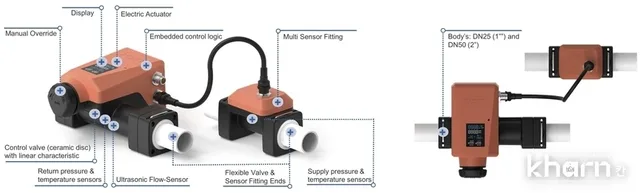
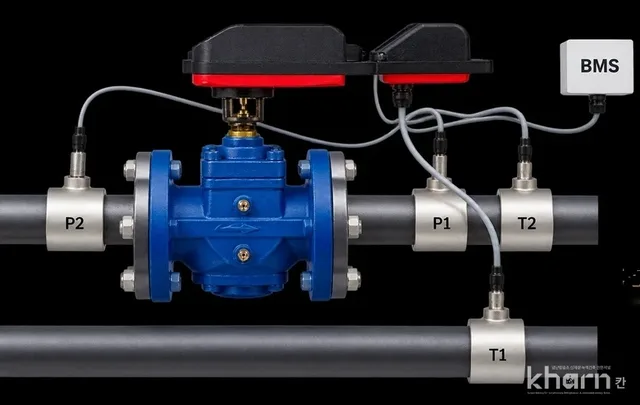
Instrumentation is another area worth considering. Providing temperature and pressure sensor access points at all four connections to the heat exchanger would allow operators and commissioning engineers to measure the entering and leaving conditions on both circuits. This information is valuable when assessing actual heat-transfer performance, identifying abnormal pressure drops, investigating operating problems, and supporting ongoing performance monitoring and troubleshooting.
The complete interface
The wider lesson is that a heat exchanger specification should not be limited to the thermal duty or the manufacturer's equipment selection. It should describe the complete interface between the component and the installation, including its physical arrangement, operating limits, safety provisions, and maintenance requirements.
Source: RACA Journal.
ORIGINAL SOURCE
RACA Journal ↗Visit the original source for additional details.