Cold chain
Temperature and humidity protocols across the potato cold chain from harvest to delivery
Potatoes need forced-air cooling, a two-week curing period, and storage at 3–7 °C with 90–95 % relative humidity to limit sprouting, weight loss, and quality decline. Frozen products must stay at or below −18 °C, and temperature sensors plus tracking systems help catch refrigeration failures during transit and handovers.
Potatoes need precise temperature and humidity management at every stage from harvest to final delivery. Getting the parameters right at each step—cooling, curing, storage, transport, and frozen-product handling—determines whether tubers reach the market intact or are lost to spoilage, sprouting, and quality degradation.
Post-harvest cooling and curing
After harvest, field heat must be removed before tubers enter storage. Forced-air cooling slows respiration and limits the conversion of starch into sugar, a process that affects the texture and taste of both fresh-market and processed potatoes. Slow cooling, by contrast, increases bruising and weight loss.
Cooling is followed by a curing phase of roughly two weeks under warm, humid conditions, during which minor wounds from harvest and handling heal. Skipping this step makes tubers more susceptible to rot during long-term storage.
Storage parameters
Storage conditions vary by end use:
- Fresh-market potatoes: approximately 38–45 °F (3–7 °C).
- Potatoes for frying or chipping: higher temperatures to limit sugar accumulation, which causes fried products to darken.
- Relative humidity: 90–95 % to reduce moisture loss and prevent shrivelling.
- Air circulation through stacked bins to maintain consistent conditions throughout the store.
Cold storage also inhibits sprouting once potatoes break dormancy, reducing the loss of stored carbohydrates, weight, and overall quality.
Transport and frozen-product handling
Uninsulated or unrefrigerated trucks and rail cars expose potatoes to temperature fluctuations that cause dehydration or freezing damage. When frozen tubers thaw, damage to cell walls leads to softening and discoloration.
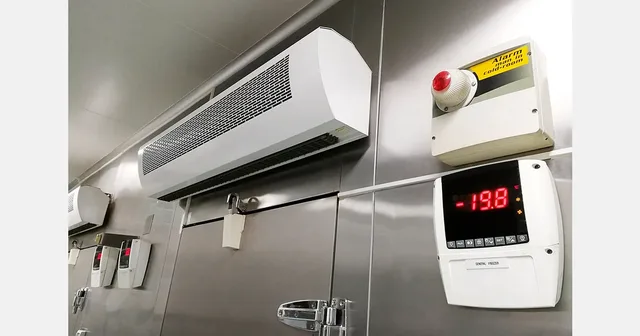
Frozen potato products—French fries, hash browns, and similar items—must remain at or below 0 °F (−18 °C). Temperature swings during loading or transfer can cause partial thawing and refreezing, altering ice-crystal structure and final product texture. Frozen-food fulfilment centres provide below-zero storage as well as temperature-controlled picking and packing areas. Inventory rotation helps reduce the risk of older stock sitting in storage for extended periods.
Monitoring and data
Temperature sensors and tracking systems can flag refrigeration failures or improperly sealed trailer doors during transit. Cold-chain breaks also occur at handover points, for example when products sit on an uncooled loading dock during transfers.
Monitoring data can identify recurring temperature excursions linked to particular routes or pieces of equipment. Accumulated over multiple seasons, this information supports targeted actions to cut losses from preventable temperature fluctuations.
Supply-chain context
Reducing potato losses also limits the waste of water, fertiliser, labour, and transport capacity. Maintaining temperature control from harvest through final delivery is therefore a supply-chain-wide process involving growers, storage operators, processors, and transport providers.
ORIGINAL SOURCE
FreshPlaza: Cooling ↗Visit the original source for additional details.