Science & technology
BCA Study Confirms Singapore's 80% Building Energy Efficiency Target Is Technically Feasible
The Design Prototyping for Decarbonisation study identifies alternative cooling technologies and plug-load management as the two main levers to close the gap between Singapore's current 72% efficiency gain and its 2030 target of 80% improvement over 2005 levels. As of July 2026, 47 buildings in Singapore have already adopted alternative cooling solutions.
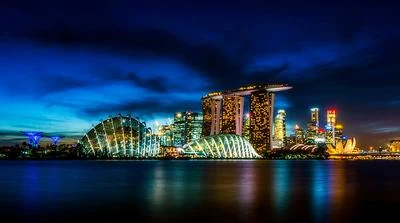
Singapore's Building and Construction Authority (BCA) has released initial findings from its Design Prototyping for Decarbonisation (DPfD) study, confirming that an 80% improvement in building energy efficiency compared with 2005 levels is technically feasible for new and existing office buildings, as well as new hotels and mixed developments. The complete study outcomes will be published as a public report by the end of 2026.
Where Singapore stands against its 2030 targets
The study supports the "80-80-80 in 2030" goals established under Singapore's Green Building Masterplan:
- 80% of buildings (by Gross Floor Area) to achieve Green Mark Certification by 2030;
- 80% of new buildings to achieve the Super Low Energy (SLE) standard by 2030;
- 80% energy efficiency improvement compared with 2005 levels by 2030 for best-in-class buildings.
As of July 2026, the country's best-performing buildings have achieved a 72% improvement in energy efficiency relative to 2005, leaving a gap that the DPfD study aims to address.
Two levers to close the gap
The study identifies plug-load management and alternative cooling technologies (ACTs) as the two principal levers for reaching the 80% target. Cooling is particularly critical in Singapore's climate, accounting for an estimated 40–60% of total building energy consumption. According to the study, ACTs could reduce building cooling energy consumption by 30–50% while maintaining thermal comfort.
What alternative cooling technologies look like in practice
ACTs aim to maintain comfortable indoor conditions while reducing reliance on conventional air-conditioning. Solutions already in use in Singapore's best-performing buildings include:
- Hybrid cooling – air-conditioning operated at higher temperature setpoints combined with increased air movement from fans;
- Radiant cooling – chilled surfaces that absorb heat from the indoor environment;
- Passive displacement cooling – natural convection creates a continuous cycle: air warmed by indoor heat sources rises to ceiling-level cooling coils, is cooled and becomes denser, then sinks back into the occupied space;
- Active chilled beams – ceiling-mounted units that provide both cooling and ventilation, where pre-cooled primary air induces room air to flow through chilled-water cooling coils before being recirculated.
Deployment is moving beyond pilots
As of July 2026, BCA reports that 33 public and 14 private buildings in Singapore have adopted alternative cooling technologies. The study notes that substantial reductions in cooling-related energy use have been reported in individual applications, and it suggests that further improvements in building energy performance may increasingly depend not only on making conventional air-conditioning systems more efficient but also on reconsidering how cooling and thermal comfort are delivered within buildings.
For more information, the media release is available on the Building and Construction Authority website.
Sources:
[1] Building and Construction Authority (BCA), Singapore Green Building Council (2026). Media release. New BCA study confirms 80% Energy Efficiency target is within reach for Singapore's Built Environment sector. https://isomer-user-content.by.gov.sg/338/14c08b80-a6ce-49bf-bc75-a51ef8067f2d/Media%20Release%20-%20SGBC%20Gala%20Dinner%202026.pdf
[2] Building and Construction Authority (BCA), Singapore Green Building Council (2026). Factsheets. https://isomer-user-content.by.gov.sg/338/2c37e038-568c-44f3-9047-e2c074ee6a77/Factsheets%20-%20SGBC%20Gala%20Dinner%202026-1.pdf
ORIGINAL SOURCE
IIR: sector monitoring ↗Visit the original source for additional details.