Standards & safety
Cyberattacks on Refrigeration Systems: Assessing Protection Needs by Process Consequences
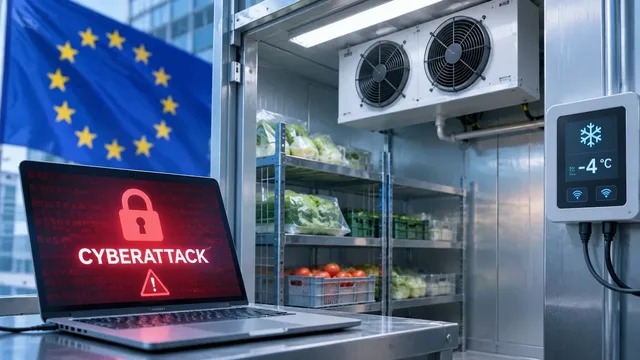
France's Ministry of Foreign Affairs links cyberattacks on refrigeration systems to the Iranian Revolutionary Guards. A TÜV Nord expert recommends assessing the need for refrigeration system protection based on potential consequences for technological processes.
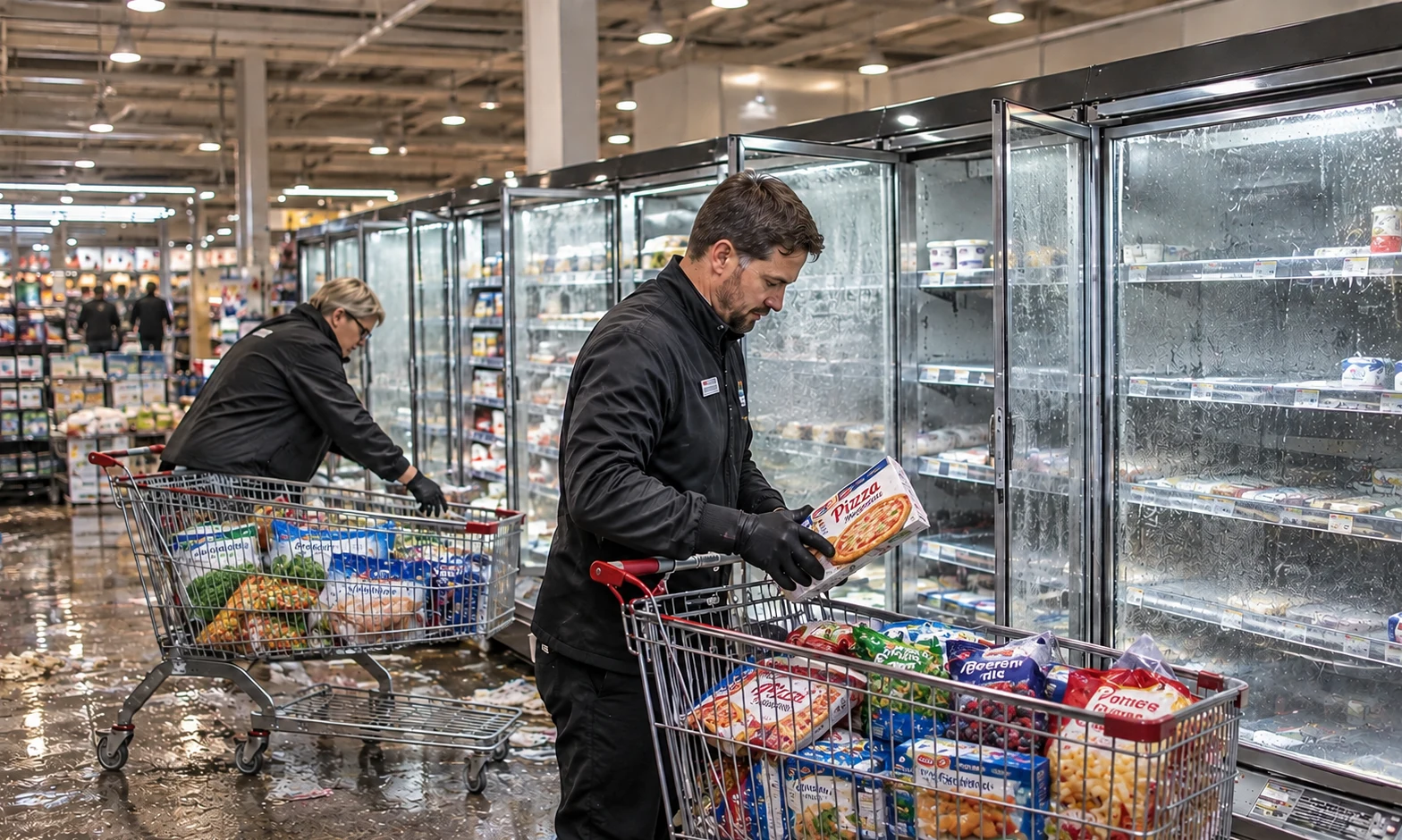
Cyberattacks on refrigeration systems, first reported in mid-October in connection with incidents at French supermarkets, have spread to the Benelux countries, Sweden, and Germany. France's Ministry of Foreign Affairs links the attacks to the Iranian Revolutionary Guards.
The damaged frozen food has caused retailers millions of euros in losses. The incident, which could initially have been dismissed as a prank, has escalated into a global problem aimed at destabilization.
Assessing protection needs based on process consequences
TÜV Nord's officer for critical infrastructure (KRITIS), Michael Pöck, recommends that designers, operations staff, and information security officers conduct joint reviews to determine: what abnormal states are possible, which security measures actually work, and how much time remains for an effective response. In his words, the guiding principle should be the understanding that threats are dynamic and capable of affecting deeper levels of control and technological processes. Countermeasures require time, personnel, and budget.
A detailed analysis of how protection of refrigeration systems against cyberattacks begins with assessing process consequences has been published in a separate article (cci334300). Initial reports on the incidents in France — in issue cci331953.
Illustration: damaged frozen food in a supermarket. (© 2026 OpenAI, AI-generated for cci Dialog)
Source: cci Dialog (cci334371)
ORIGINAL SOURCE
cci Dialog ↗Visit the original source for additional details.