Science & technology
IIR Briefing Calls for Climate-Specific Integration of Passive Cooling Measures in Livestock Buildings
A November 2026 IIR briefing highlights a systematic review by Nath, Roy and Basu in Renewable and Sustainable Energy Reviews that separates building-envelope heat-gain reduction from active heat removal and warns that reported performance figures from individual studies are not universal design ratings. The review recommends evaluating temperature, humidity, water availability, and ventilation together for each site.
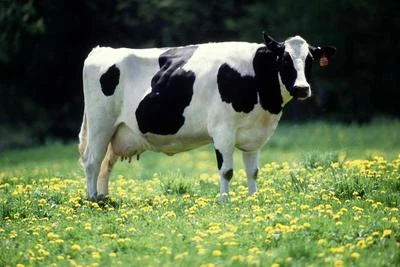
A November 2026 briefing from the International Institute of Refrigeration (IIR) discusses a systematic review by Nath, Roy and Basu, published in Renewable and Sustainable Energy Reviews, on passive cooling strategies to mitigate heat stress in livestock buildings. The central engineering recommendation is to evaluate temperature, humidity, water availability, and ventilation together for each site rather than apply a single cooling method to every structure.
The review separates measures into two functional groups. Building-envelope options reduce heat gains and include insulation, reflective surfaces, and phase-change materials. Active heat-removal measures encompass ventilation and evaporative cooling. The authors stress that these categories must be integrated with building design and the local climate rather than treated in isolation.
Several practical constraints are noted. Evaporative systems lose effectiveness as ambient humidity rises and depend on reliable water and energy supplies. Infrastructure costs limit adoption in smallholder and extensive production settings. The review also cautions that temperature-reduction figures reported in individual studies are not universal design ratings.
ORIGINAL SOURCE
IIR: sector monitoring ↗Visit the original source for additional details.