Chillers & heat pumps
Merak Greenair: Thousands of Railway Heat Pumps on R744 and R290 in Serial Production
Merak has become the only rail HVAC supplier offering serial production units on both natural refrigerants — CO2 (R744) and propane (R290). According to the company, thousands of Greenair heat pumps have been installed worldwide, reducing energy consumption by at least 30% compared to resistive heating.
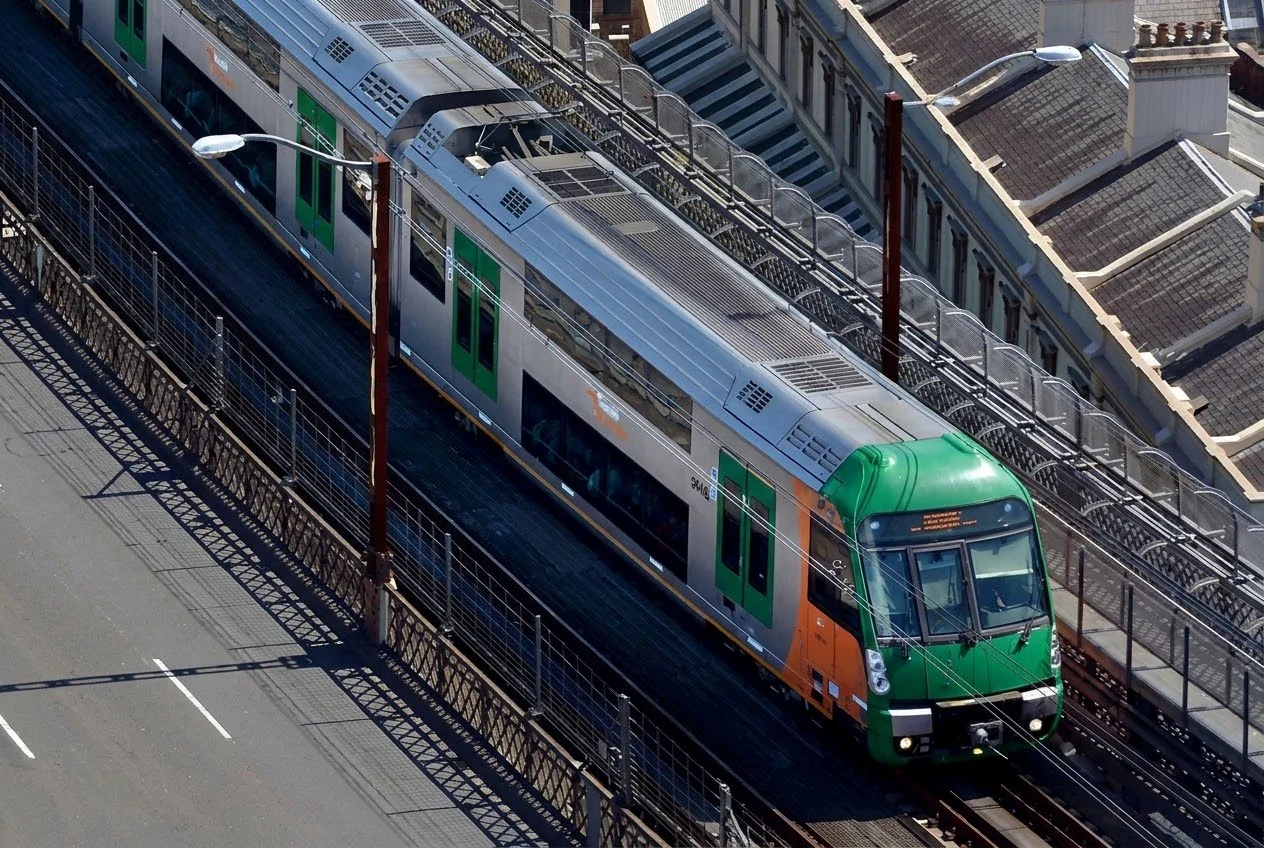
Merak, a manufacturer of HVAC systems for rail transport, has become the only supplier offering serial production climate units on both natural refrigerants — CO2 (R744) and propane (R290). According to Giovanni Nuzzia, the company's Director of R&D and Innovation, thousands of Greenair heat pumps have already been installed worldwide.
Prototypes of CO2-based systems for rail transport began development at Merak's Vienna office back in 2016, with propane versions appearing in 2021. Both technologies have entered serial production and are deployed on both new rolling stock and retrofits of existing fleets. The units are in service on trams, regional and intercity trains across Europe, notably in Germany and Switzerland.
Key parameters of the Greenair systems:
- Both refrigerants enable operation at temperatures down to −20 °C.
- Compared to a baseline rail HVAC system with electric resistive heating and simple cooling-capacity control, Merak's latest-generation systems reduce energy consumption by at least 30% over the course of a year.
- Built-in electronic control systems comply with the European Cyber Resilience Act.
- The propane version of Greenair uses a direct refrigerant circulation circuit, whereas most R290-based transport HVAC systems operate through a secondary loop.
According to Nuzzia's observations, Asian customers and European light-rail operators tend to prefer CO2-based systems, while major European rolling-stock operators generally choose R290 units. Both technologies were developed based on customer feedback to offer rail operators a reliable, future-proof solution with a low global warming potential for cabin heating and cooling.
Merak designed Greenair with retrofit of existing wagons in mind, to help operators meet evolving environmental regulations and cope with increased thermal loads in summer. Nuzzia cited a "relatively young" fleet just 10 years old that required improved cooling capacity. R290 systems can reuse existing piping from HFC systems, whereas transitioning to CO2 requires modifying the refrigerant circuit for higher pressures, making installation more labour-intensive. That said, Merak aims to preserve the dimensions of the existing space and make maximum use of the available equipment frame, including when switching to CO2.
Nuzzia explained that a direct refrigerant circuit improves efficiency and reduces weight, complexity, and footprint, while a multi-level approach ensures safe operation with propane. He also noted that rather than waiting for refrigerant bans, the company moved directly to forward-looking solutions and is the only rail HVAC supplier offering both natural refrigerants.
Source: KrioFrost
ORIGINAL SOURCE
КриоФрост ↗Visit the original source for additional details.