Science & technology
AI Search Tools Enter the Refrigeration Service Workflow as a Supplementary Diagnostic Resource
AI-powered search tools are gaining traction among HVACR technicians as a quick-reference aid for troubleshooting. Joe Marchese of Heatcraft Refrigeration Products outlines where these tools help — from explaining component function to transcribing job notes — and where they fall short, emphasizing that manufacturer documentation and hands-on experience remain the final authority.
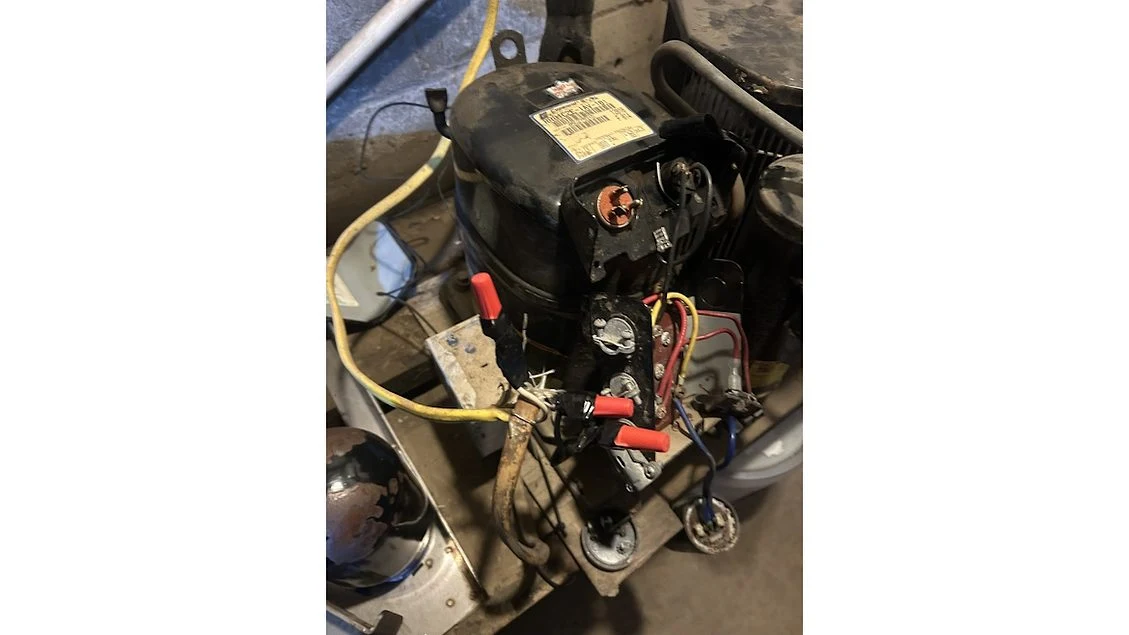
AI-powered search tools are increasingly appearing in the field-service toolkit, offering rapid answers to component and system questions. But as Joe Marchese, senior field support engineer at Heatcraft Refrigeration Products, notes in a FROSTlines column dated November 14, 2026, the output must always be verified against manufacturer documentation before a technician acts on it.
Why the knowledge gap persists
Refrigeration equipment blends multiple evolving technologies, and modern systems are designed with proprietary controls and features. Even seasoned technicians encounter unfamiliar designs and components that fall outside their immediate experience. Historically, the go-to resources were a phone call to the manufacturer, a wholesaler, or a peer, plus a personal library of collected references.
What AI search adds to the workflow
An AI search engine can return a structured explanation in seconds, without the need to page through a manual or wait for a callback. Marchese illustrates this with a suction-line accumulator: an AI response can walk a technician through the component's role in preventing liquid slugging, the gravity-separation mechanism inside the canister, the U-tube or J-tube suction draw that admits only vapor, and the small metering orifice that allows controlled oil return so trapped oil and residual liquid boil off before reaching the compression chamber.
Beyond mechanical diagnostics, Marchese points out that AI tools can also transcribe field notes into concise work-order reports and help locate replacement parts.
Where accuracy becomes the limiting factor
The principal risk is that an AI response may be inaccurate or may not match the specific system or component under investigation. Acting on unverified information can lead to a misdiagnosis, an improper component adjustment, or the installation of the wrong part. Marchese advises that technicians cross-check AI output using the same proven methods they have always relied on: the manufacturer's manual, a call to the manufacturer or wholesaler, or a conversation with a fellow service technician. He adds that AI engines are improving in accuracy as the underlying technology matures.
Supplement, not replacement
Marchese's bottom line: AI is a useful troubleshooting resource, but it should supplement — not replace — manufacturer documentation, technical support lines, and a technician's own training and experience.
Joe Marchese is a senior field support engineer at Heatcraft Refrigeration Products.
ORIGINAL SOURCE
ACHR NEWS ↗Visit the original source for additional details.