Cold chain
Kazakhstan's 2.56-million-tonne vegetable storage capacity faces uneven access and growing potato surplus
Kazakhstan's 941 vegetable storage facilities hold 2.56 million tonnes, but geographic concentration and a widening gap between planted areas and storage infrastructure are squeezing farm-gate prices, particularly in the potato sector.
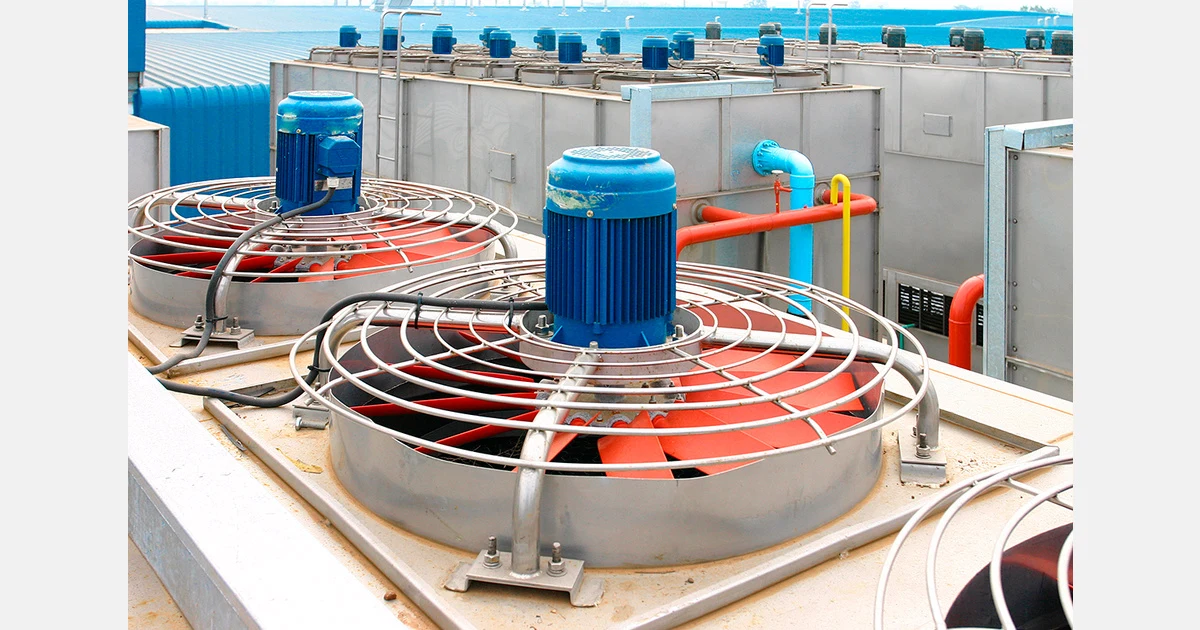
Kazakhstan's nominal vegetable storage capacity of 2.56 million tonnes across 941 facilities appears adequate against the estimated 2.5–2.6 million tonnes needed for inter-season supply, but the Ministry of Agriculture's autumn 2026 data does not reflect how much of that capacity is actually accessible to growers or whether conditions meet crop-specific requirements.
New construction and geographic concentration
Between 2023 and 2025, 95 new facilities with a combined 745,600 tonnes came online. Storage remains heavily concentrated: Pavlodar region holds 591,500 tonnes, Zhambyl 375,000 tonnes, and Karaganda 357,800 tonnes. For growers far from these hubs, transport costs can render storage uneconomical.
Potato market under pressure
The mismatch is most visible in the potato sector. Kazakhstan harvested 2.842 million tonnes in 2025, a 7.9% year-on-year increase. Seasonal oversupply forces growers without suitable facilities to sell immediately after harvest. In October 2026, Baizhan Ualkhanov, chairman of the Union of Potato and Vegetable Growers, noted that new market participants are expanding planted areas faster than storage infrastructure. He pointed to farm-gate prices of around 140 tenge (€0.28) per kg in September 2025, which had fallen to 80–100 tenge (€0.16–0.20) by September 2026.
Technology, losses, and subsidies
Potatoes, carrots, cabbage, onions, and apples each require different temperature and humidity regimes. The Ministry estimates average vegetable losses across harvesting, transportation, and storage at 5–10%. To encourage investment, it offers subsidies of up to 50% for refrigerated facilities and 40% for those equipped with ventilation.
Stabilisation funds and government response
In spring 2026, regional stabilisation funds held 247,000 tonnes of vegetables, but the ministry reported instances where stocks were not released onto the market on schedule, limiting their price-moderating effect. In October 2026, President Kassym-Jomart Tokayev called for improved access to agricultural logistics centres for both large companies and small farms, with such centres potentially combining storage, sorting, grading, and packaging.
Source: el.kz / FreshPlaza.
ORIGINAL SOURCE
FreshPlaza: Cooling ↗Visit the original source for additional details.