Standards & safety
CO Safety in HVAC Service Spans Multiple Combustion Sources, Not Just Furnaces
A November 2026 ACHR News service column reminds technicians that carbon monoxide hazards in the field extend to water heaters, fireplaces, vehicles, and portable generators. The briefing stresses personal CO monitoring, calibrated combustion instruments, and CDC and Health Canada placement rules for gasoline-powered equipment.
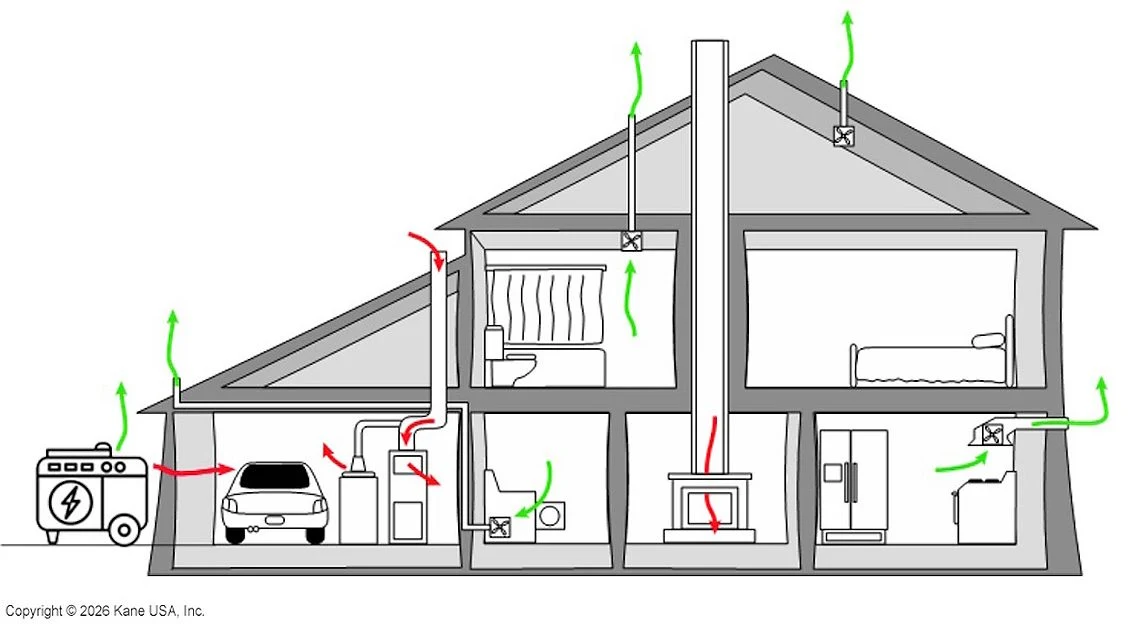
Carbon monoxide hazards encountered during HVAC service are not limited to furnace work. A November 2026 column in ACHR News outlines the broader set of combustion sources a technician may face and the monitoring practices that go beyond a visual check.
Scope of CO sources
The column identifies water heaters, fireplaces, vehicles, and portable generators alongside furnaces as sources of combustion-related CO risk.
Monitoring and instrument practice
For field work, the practical focus is on suitable personal CO monitoring and combustion instruments that are maintained and calibrated in accordance with their manufacturers' instructions. The column notes that visual inspection alone does not replace appropriate testing.
Placement and detector guidance
US CDC guidance states that generators and gasoline-powered equipment belong outdoors, at least 20 feet from doors, windows, and vents, and recommends a working CO detector. The guidance also cautions that open garage doors do not make indoor engine operation safe. Health Canada publishes parallel prevention guidance.
Emergency response
If a CO alarm sounds, occupants should move to fresh air and contact local emergency services.
The column is a prevention briefing, not a universal legal exposure limit or a substitute for equipment-specific service procedures.
ORIGINAL SOURCE
ACHR NEWS ↗Visit the original source for additional details.