Cold chain
India Launches Packhouse Design Guidelines for Energy-Efficient First-Mile Cold Chain
BEE, UNEP Cool Coalition, and AEEE released the Packhouse Design Guidelines in September 2026, offering a practical framework for building sustainable, energy-efficient integrated packhouses for horticultural produce in India. The document covers building design, refrigeration system optimisation, and renewable energy integration, with estimated electricity savings of approximately 2.92 TWh from building measures and an additional 1.97 TWh from efficient equipment by 2037.
In September 2026, the Bureau of Energy Efficiency (BEE), the United Nations Environment Programme (UNEP) Cool Coalition, and the Alliance for an Energy Efficient Economy (AEEE) launched the Packhouse Design Guidelines. The document provides a practical framework for developing sustainable, energy-efficient integrated packhouses for horticultural produce in India, covering all major aspects of planning, constructing, and outfitting such facilities.
Scope of the guidelines
Developed under UNEP's India Cooling Programme (ICCP) in consultation with BEE and a technical committee, the guidelines address the following key areas:
- Integrated packhouse functions
- Building design and construction good practices
- Thermal insulation and building materials
- Refrigeration system design and energy optimisation
- Renewable energy integration
- Quantification of energy savings from efficiency measures
Energy-saving measures are examined across building design, equipment and system design, and operation and maintenance, and are categorised according to cost-effectiveness. Suggested measures include optimised sizing and insulation of pre-cooling and cold rooms, energy-efficient refrigeration components, and natural ventilation or evaporative cooling systems.
Projected energy savings
Implementing energy-efficient building design measures is estimated to deliver electricity savings of approximately 2.92 TWh by 2037. Adopting energy-efficient equipment and machinery could generate an additional 1.97 TWh of electricity savings over the same period.
First-mile context and market benefits
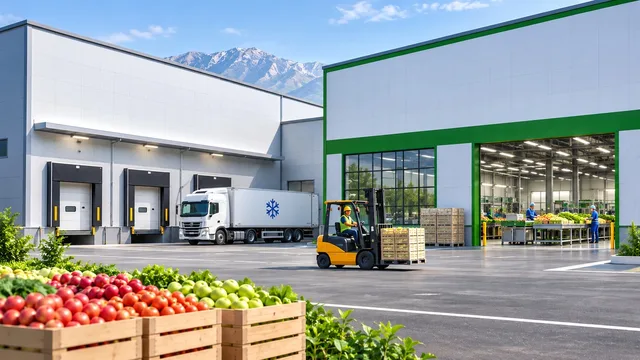
The "cold chain" encompasses the stages a refrigerated product passes through from harvest to consumption. At the entry point, or first mile, freshly harvested produce undergoes pre-cooling to remove field heat, followed by aggregation and storage in preparation for market connectivity. Typical operations include sorting, grading, washing, drying, weighing, packaging, pre-cooling, and staging.
India currently has 249 packhouses integrating a precooling facility, a number expected to grow as part of national efforts to cut food loss, reduce emissions, and improve farmer income. For export markets, integrated packhouses help ensure compliance with international food safety and quality standards, extend shelf life, and reduce transit losses. For domestic markets, the expansion of such facilities is expected to positively impact food loss reduction, food safety, traceability, nutritional availability, accountability, transparency, and overall food system efficiency.
For more information, visit the UNEP Cool Coalition website.
Source: IIR: sector monitoring.
ORIGINAL SOURCE
IIR: sector monitoring ↗Visit the original source for additional details.